

TechCrunch Disrupt 2026’s Smart Money Stage: What Small Businesses and Law Firms Should Watch in Fintech, Payments, and AI
The finance stack that powers how you win and keep customers is changing fast. This October, TechCrunch Disrupt 2026 debuts the Smart Money Stage to decode the next wave of fintech, payments, and AI — and how to apply it inside real businesses. For small businesses, entrepreneurs, operations leaders, and professional service firms (especially law practices), the opportunity is to make money movement faster, safer, and smarter while reducing back-office friction. With Disrupt running October 13–15, 2026 in San Francisco, this is the moment to align strategy with what’s coming next — not just what worked last year.
- What the Smart Money Stage is — and why it matters now
- Five high‑impact plays for small businesses and law firms
- Risk, compliance, and trust: what’s new in 2026
- Disrupt field guide: how to work the Smart Money Stage
- What to do in the next 90 days
- Conclusion
What the Smart Money Stage is — and why it matters now
The new Smart Money Stage focuses on where financial infrastructure is headed — beyond hype — into real systems that improve cash flow, trust, and decision-making. Expect sessions on modern payments rails (RTP, FedNow), embedded finance, fraud prevention, and how AI is being applied across underwriting, reconciliation, and customer experience. TechCrunch has outlined six dedicated stages for Disrupt 2026, with Smart Money zeroing in on the future of fintech and payments in practical terms for operators, not just founders and VCs. See the official overviews and agenda for details and updates at techcrunch.com and techcrunch.com. Disrupt itself runs October 13–15, 2026 at Moscone West in San Francisco, per the event page at techcrunch.com.
Takeaway: Smart money isn’t just about raising capital — it’s about making the money you already move faster, safer, and more useful.
Why now? Two structural shifts converged this year. First, real‑time payment rails are scaling on both private and public networks; The Clearing House reports record RTP volume and values in 2026, and the Federal Reserve notes rising FedNow adoption among smaller institutions. Second, PCI DSS v4.0.1’s future‑dated controls are now mandatory (as of March 31, 2025), sharpening the compliance bar for any business that accepts cards. Sources: theclearinghouse.org, kansascityfed.org, pcisecuritystandards.org.

Five high‑impact plays for small businesses and law firms
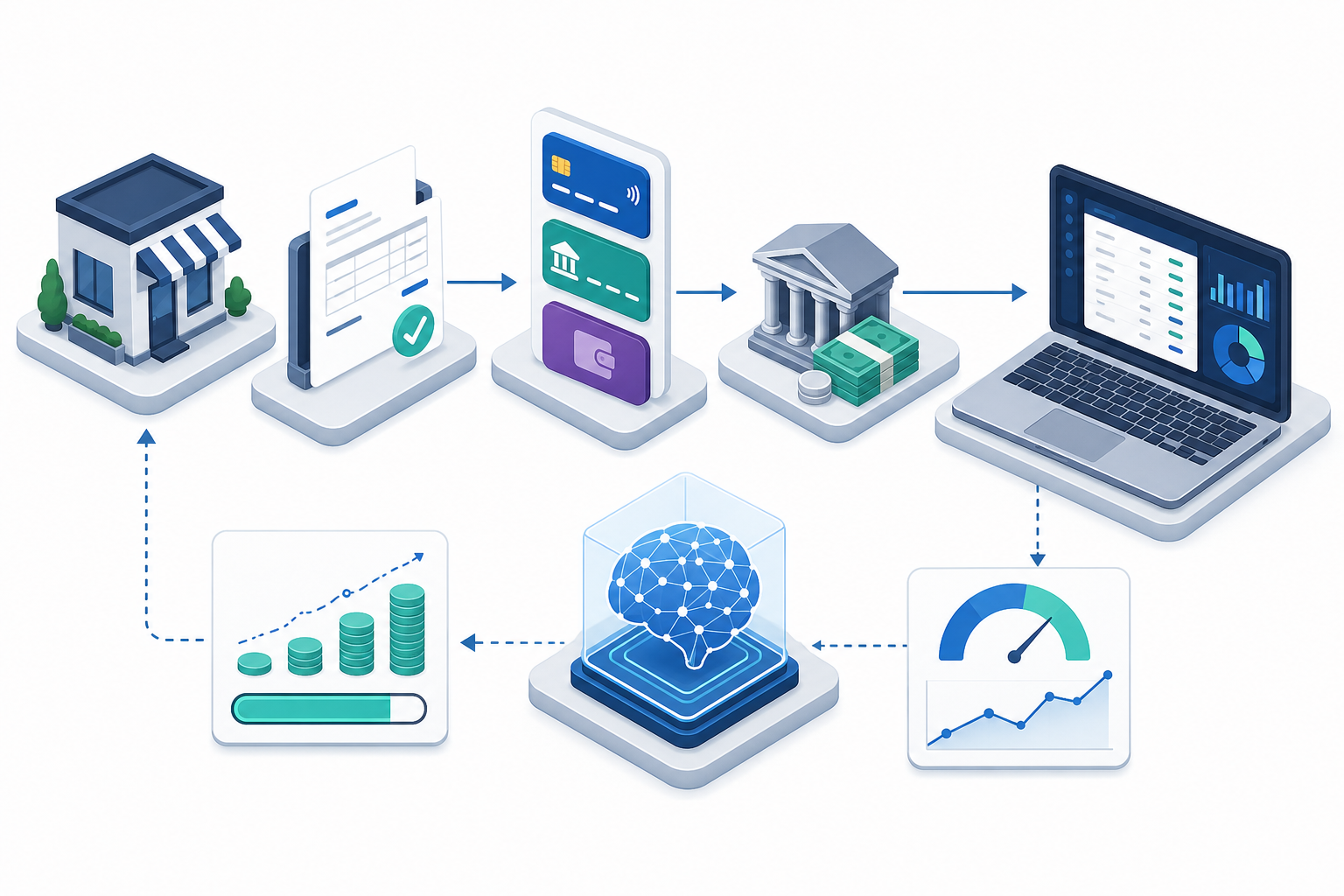
Below is a pragmatic map of where Smart Money innovations translate directly into operational gains. Use it to shortlist sessions, frame vendor conversations on the expo floor, and prioritize pilots.
| Capability | What it does | Why it matters | Starter checklist |
|---|---|---|---|
| Real‑time receivables (RTP/FedNow) | Collect funds instantly, 24/7/365, with immediate confirmation. | Improves cash position; reduces DSO; fewer NSF surprises. |
|
| Embedded finance in client journeys | Offer payment, scheduling, financing, or wallets directly in your app or intake forms. | Removes friction at point of decision; raises conversion and NPS. |
|
| AI‑assisted reconciliation | Use models to auto‑classify transactions, match invoices, and flag anomalies. | Weeks to hours reduction in close cycles; fewer write‑offs. |
|
| Chargeback and fraud mitigation | Combine device/risk signals, strong customer authentication, and representment tooling. | Protects margins; reduces network fines and operational drag. |
|
| Law‑firm trust accounting (IOLTA) by design | Strict segregation of client funds with automated ledgers and three‑way reconciliation. | Avoids ethics violations; builds client trust; audit‑ready posture. |
|
For context, The Clearing House’s RTP network hit new highs in 2026 and continues to process the overwhelming share of instant payments in the U.S., while FedNow participation among smaller institutions is climbing — expanding your customers’ ability to pay you instantly. See theclearinghouse.org and the Kansas City Fed’s July 2026 update at kansascityfed.org.
Risk, compliance, and trust: what’s new in 2026
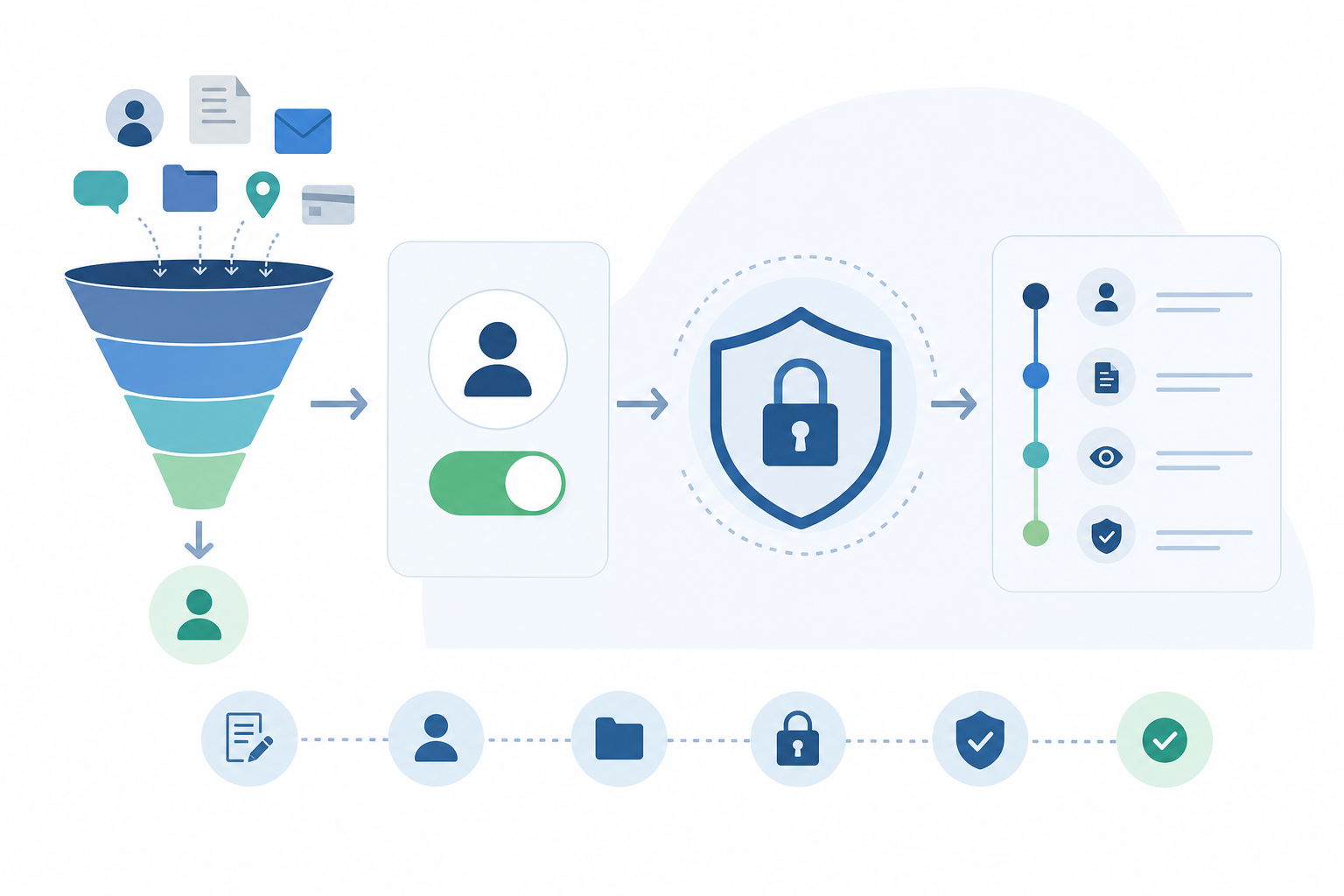
Card security baseline rose in 2025. The PCI Security Standards Council confirmed that PCI DSS v4.0.1 future‑dated requirements became mandatory as of March 31, 2025. If you accept cards — whether via a terminal, link, or embedded flow — your vendors should be attesting to v4.0.1 and you should update policies, scans, and SAQs accordingly. Details: pcisecuritystandards.org and the v4.0 Summary of Changes at pcisecuritystandards.org.
Instant‑payment operations are now table stakes. RTP volume and value records in 2026 underscore a shift from “nice to have” to “expected” for faster disbursements and collections. If you sell services with recurring invoices, add Request for Payment and promised‑date nudges; if you run retail, set clear rules for refunds and partial credits on instant rails. See theclearinghouse.org.
Law‑firm trust accounting remains non‑negotiable. The ABA Model Rules of Professional Conduct require strict segregation and record‑keeping for client funds (Model Rule 1.15). That means automated three‑way reconciliation should be non‑optional, and any embedded payment flow must route retainers to trust by default while safeguarding operating accounts. Resources: americanbar.org and americanbar.org. For California firms, note new trust account reporting requirements effective January 1, 2026: calbar.ca.gov.

Practical compliance checklist
- Confirm with your processor and gateway that PCI DSS v4.0.1 attestations and SAQs reflect 2025 controls; request documentation and network scans.
- Introduce settlement‑timing controls for RTP/FedNow to prevent disbursing against uncleared deposits in edge cases (avoid reconciliation gaps).
- Instrument chargeback reason codes and automate evidence packaging, including signed service logs, IP/device fingerprints, and delivery confirmations.
- For law firms: enforce retainer routing to trust accounts by default, with configurable rules for fee transfers to operating once earned; log every trust event to an immutable audit trail.
Disrupt field guide: how to work the Smart Money Stage
Go in with a plan. Treat Smart Money like a compact due‑diligence sprint and you’ll leave with a shortlist of implementable wins.
Before you arrive
- Define two measurable outcomes (e.g., “cut DSO by 5 days,” “reduce chargeback ratio below 0.5%,” “enable trust‑by‑design client intake”).
- Inventory your current rails and tools: card present, card‑not‑present, ACH, RTP, FedNow, wallets, fraud stack, and reconciliation workflow.
- Draft five vendor questions you’ll ask every provider: data portability, auth methods, dispute tooling, instant‑payment support, audit logs.
Onsite at the Smart Money Stage
- Prioritize sessions on real‑time payments operations, embedded finance, and AI‑assisted reconciliation — the fastest ROI zones for SMBs and law firms.
- Meet your current bank or PSP at their booth; ask specifically about RTP Request for Payment, FedNow send/receive, and chargeback evidence automation.
- For law firms: confirm IOLTA‑safe flows, three‑way reconciliation features, and user roles that prevent accidental commingling.
Immediately after
- Run a two‑week pilot: pick one use case (e.g., RTP collections for invoices under $2,500; automated intake-to-trust for retainers) and measure impact.
- Move from pilot to policy: write down settlement rules, exception handling, and reporting cadence; train staff and embed in SOPs.
- Share results with finance and operations; align next‑quarter budget on tools that hit your ROI and compliance targets.
What to do in the next 90 days
- Days 1–30: Baseline and blockers. Map current payment flows end‑to‑end. Identify where funds get stuck, where manual work piles up, and where disputes start. Verify your PCI posture and SAQs are on v4.0.1. For law firms, perform a mini‑audit of trust transactions against Model Rule 1.15 record‑keeping expectations.
- Days 31–60: Pilot and instrument. Launch one real‑time payments pilot and one automation pilot. Add granular tags/metadata to payments so your AI reconciliation can match against invoices, retainers, and case matters. Track time saved and cash acceleration.
- Days 61–90: Scale and codify. Expand pilots across a second product line or practice group. Implement formal exception workflows for refunds, partial payments, and chargebacks. Update customer terms and intake language for consent and card‑on‑file authorization.
Conclusion
The Smart Money Stage exists because the finance stack is now a competitive edge, not a back‑office afterthought. Real‑time rails are mainstreaming, AI is taking the tedium out of reconciliation and risk review, and compliance expectations have ratcheted up. For small businesses and professional service firms — especially law practices with strict trust obligations — this is a practical moment to modernize: fewer steps for clients, faster cash, tighter controls. Use Disrupt 2026 as a forcing function: pick two outcomes, pressure‑test vendor claims, and leave with a 90‑day plan that moves real money, safely, every day.
Ready to explore how you can streamline your processes? Reach out to A.I. Solutions today for expert guidance and tailored strategies.